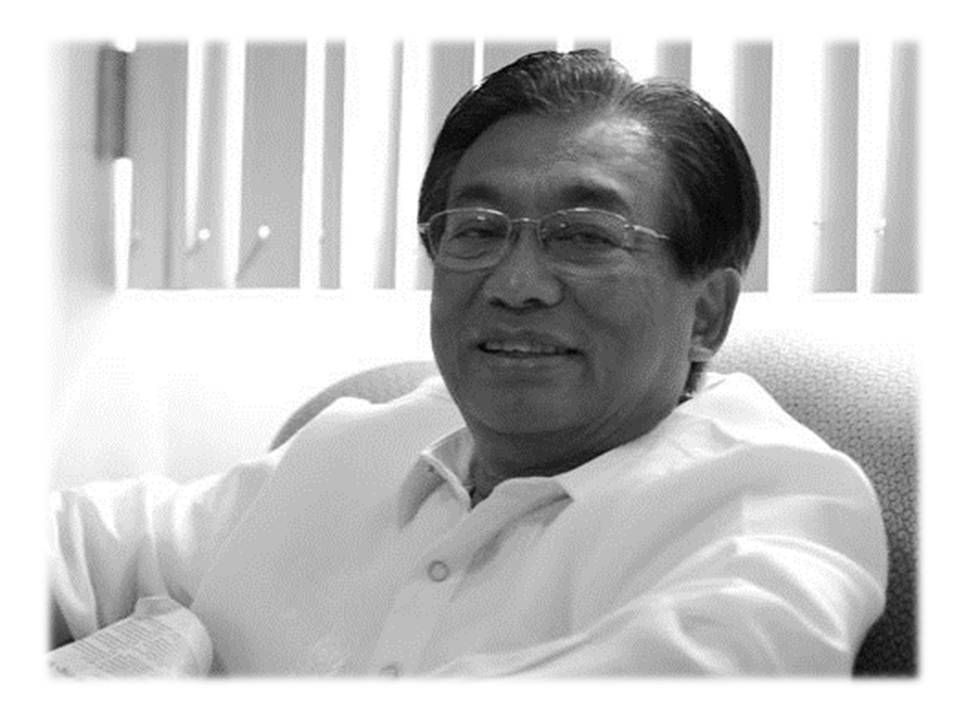
Dr. Enrique T. Ona
Former DOH Secretary , First President of PSVS
THE PIONEERING PERIOD
These pioneers were all trained in performing vascular procedures in different centers abroad, and they all brought with them individually unique brands and expertise in different aspects of vascular surgery. During the early part of the 1980’s, the regular meetings were conducted with the goal of collaborating and communicating their experience to each other and to other surgeons interested in learning about vascular procedures.From the initial seven members, the number of participants gradually increased as more surgeons sought to gain knowledge about vascular procedures and the management of vascular disease. Out of these regular meetings, the standards of management began to fall into place as the members took home and applied the collective experience and wisdom in their respective practices. The local vista for the practice of vascular surgery slowly came into focus.
Among the early trailblazing practices initiated by the PSVS was the establishment of the first noninvasive vascular laboratories and the standards of non-invasive vascular diagnostics in three key institutions in Manila, namely The Medical City, St. Luke’s Medical Center and Philippine Heart Center. The vascular laboratories in these hospitals were headed by vascular surgeons like Dr. Enrique T. Ona, Dr. Francisco Pascual and Dr. Florimond Garcia,respectively, who performed and interpreted noninvasive vascular diagnostics using Doppler and plethysmography, and eventually ultrasound. The establishment of these laboratories eventually became a means for partnership with other vascular specialists, paving the way for the birth of other subspecialities in the country like Vascular Medicine.
THE NUTURING PERIOD
Indeed, many other subspecialties in the Philippines were born out of the activities of the PSVS. In the early to mid 1980’s, the beginnings of the epidemic of kidney diseases were being felt in the country along with the already exponentially rising numbers of patients with heart and vascular disease. Upon the establishment of the Philippine Heart Center (PHC) and the National Kidney Foundation, which eventually became the National Kidney and Transplant Institute (NKTI), the PSVS and its members were called upon to create programs and algorithms of management and perform the vascular procedures required in those centers. Thus was born the programs on peripheral vascular diseases in the PHC, and organ transplantation in the NKTI.
From the PHC, NKTI and the university hospitals such as the Philippine General Hospital and the University of Santo Tomas came the first locally trained vascular surgeons, albeit not as a distinct entity but rather as a part of either a program in thoracocardiac and vascular surgery or in organ transplantation and vascular surgery.
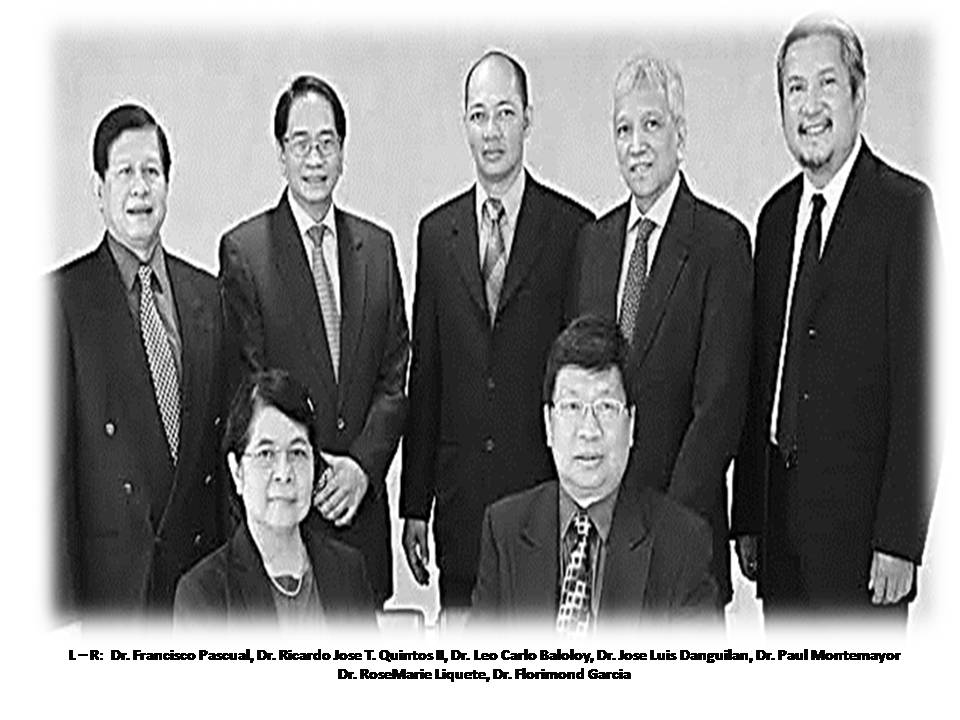
Surgeons trained in the focused discipline of peripheral vascular surgery were in short supply; after the pioneers in Dr. Ona and Dr. Pascual, only a few Filipino peripheral vascular surgeons who trained abroad in the decades of the 80s and 90s made it back to Philippine shores, among them are Dr. Victor Gisbert, from Hennepin County Hospital in Minnesota, specially trained in vascular access surgery; Dr. Paul Montemayor, from Yale University in Connecticut, specially trained in endovenous ablation;Dr. Ricardo Quintos, from Albert Einstein Montefiore Medical in New York, specially trained in limb salvage and endovascular surgery; and Dr. Esteban Lacson, from Washington Hospital in Washington, specially trained in endoscopic vascular surgery.
After verification of their credentials, the PSVS welcomed them into the society. In 2000, the PSVS encouraged the establishment of a training program focused on peripheral vascular surgery. In 2001, it accredited the first Peripheral Vascular Surgery training program at the NKTI, with Dr. Quintos as its first program director. Soon after, in 2005, the PSVS board evaluated, certified and inducted Dr. Leo Baloloy as the first homegrown peripheral vascular surgery graduate.
The PSVS continued to look overseas for global trends in order to augment the learning obtained in the local programs. Foreign faculty were sponsored to lecture to members and other practitioners of the art. One of the early foreign faculty was Dr. Christopher Zarins of Stanford University in 1994 and in 1996 as lecturer in the Stanford Asia Cardiovascular Symposium held in Manila.In 2000, the PSVS co-sponsored the International Conference of Asian VascularSociety with a workshop on endovascular surgery, withDr. Takao Ohki of the Montefiore Medical Center in New York, USA. Another distinguished figure who was sponsored by the society to come to Manila was Dr. Bauer Sumpioof Yale University. In year 2002, he became a guest speaker in the annual PCS convention where he lectured about the role of endovascular surgery in the management of vascular trauma.
Through the endorsement of the PSVS, Dr. Sumpiowas conferred honorary membership of PCS the same year.Joint symposia of PSVS and Philippine Association of Thoracic and Cardiovascular Surgery (PATACSI) took place in 2009 when invited speaker Dr. Nelson Bernardoof Washington Hospital Center lectured on the endovascular treatment of abdominal aortic aneurysms while Dr. John Ricottaalso of Washington Hospital Center discussed combined coronary and carotid disease, and the evolution of surgery for aortic aneurysms. In 2011, another symposium was held this time featuring Dr. Nathaniel John Castro of the University of Minnesota speaking on thoracic aortic aneurysms.
The Partnership Period
Early in its history, the PSVS embarked on partnerships and multidisciplinary endeavors. The first such multidisciplinary activity was the Venous Forum, which began annual meetings in 1993, bringing together practitioners from various disciplines such as dermatologists, plastic surgeons, cardiologists, general and vascular surgeons to discuss management of venous disease.
A few years later, the millennial decade of the 2000’s was marked by the rapid exponential rise in lifestyle related diseases such as hypertension, diabetes and their sequelae including vascular disease. Recognizing the epidemic of vascular disease in the country, the PSVS partnered with other specialties concerned with managing overlapping conditions in order to more effectively bring forward the value of a holistic and integrated management of vascular disease. In 2001, the PSVS partnered with the Philippine Lipid Society and the Philippine Society for Hypertension and participates in the annual convention.
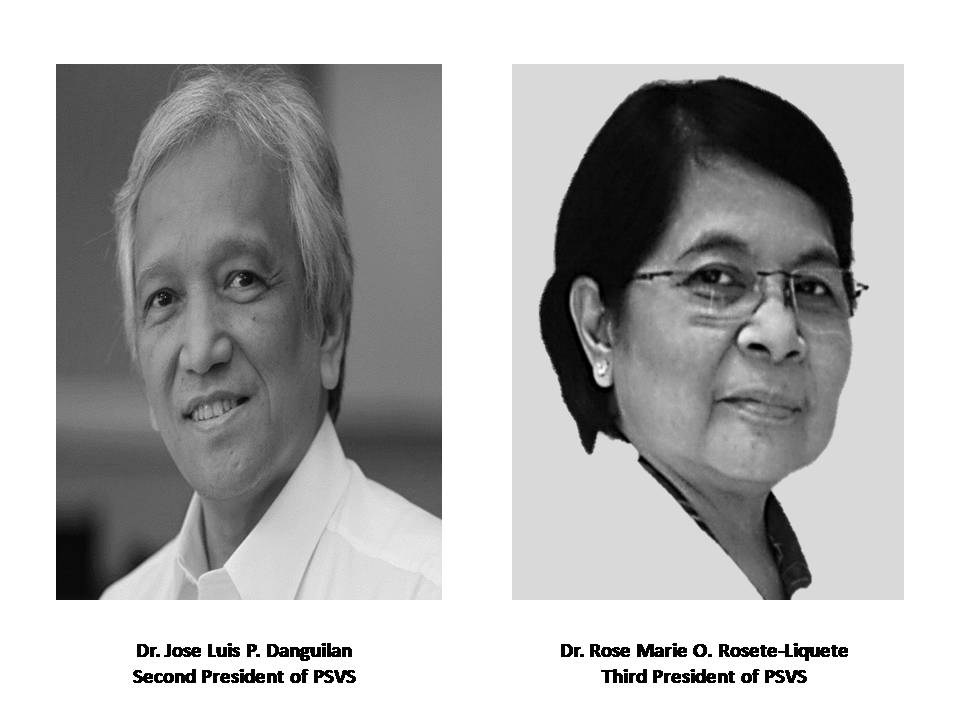
In 2003, PSVS also participated in the international convention of the Asian Union for Microcirculation and is still a society member to this day. Also in 2003, the PSVS became an accredited member of the World Federation of Ultrasound and Biology, as a society member of the Philippine Society of Ultrasound in Clinical Medicine (PSUCMI). The following year in 2004, PSVS became a cosignor for SOUNDPACT, a pledge for quality and ethical use of ultrasound in clinical practice. In 2005, the PSVS was designated by the Philippine Society for Ultrasound in Surgery(PSUS) as the training arm for vascular ultrasound for surgeons. In 2006, Dr. Jose Luis Danguilan was elected as the second president of the PSVS, and he further strengthened the partnership by extending membership with colleagues in the thoracic and cardiovascular surgery sector and conducting the joint exercises with the PATACSI.
Two years later in 2008, Dr. Rose Marie Liquete was elected the third president of the society, and she continued the tradition of partnership by instituting a multidisciplinary outreach symposium on “Sugat sa Paa” (Foot ulcers) which involved primary care physicians, diabetologists,infectious disease specialists, orthopedics, rehabilitation medicine, plastic and reconstructive surgeons, and the wound care nurse along with vascular surgeons as faculty. In 2010, the first of the annual Inter-hospital Vascular Grand Rounds was organized which involved case presentations from the different programs at the NKTI, PGH, and PHC.
Also during her term in 2012, a landmark agreement was signed by the Board of Vascular Surgery with the Philippine Board of Thoracic and Cardiovascular Surgery to unite the two into a single entity
The Renaissance Period
The global landscape of the practice of vascular surgery began to change in the millennial decade of the 2000's. The rapid pace of technological developments began to offer many and new modalities in treating vascular diseases. The distinctions between specialties and even between surgical and nonsurgical disciplines began to blur as technological development begin to relegate classical surgical procedures into a smaller role in favor of minimally invasive endovascular strategies.Seeing the possibility that the practice of vascular surgery may be overtaken by other disciplines with the same access to the technology, the PSVS proactively embarked on radical motions aimed at rearming and remodeling the vascular surgeon in order to assert and maintain primacy and relevance in the management of vascular disease.
The Academic Committee was called upon in 2000 to revise the curriculum to include competencies in the new and coming technologies in noninvasive and invasive imaging as well as in endovascular techniques, with the aim of producing a well-rounded vascular specialist facile in all diagnostic procedures as well as in the medical, surgical and endovascular modalities. In 2002, amendments to the Constitution was done. Ratified by its members, it outlined the scope of practice of vascular surgery, and elevated the Committee on Membership into the Board of Vascular Surgery, tasked with individual evaluation of vascular competencies and accreditation.
Even as it included the performance of noninvasive diagnostics in the training curriculum, the PSVS also developed programs for training post graduates in the new technology. In 2003, the PSVS began raising awareness in vascular ultrasound and started training vascular sonologists through the PSUCMI. In cooperation with the Philippine Society for Ultrasound in Surgery (PSUS), the PSVS held several teaching symposia on performing and analyzing vascular ultrasound studies.
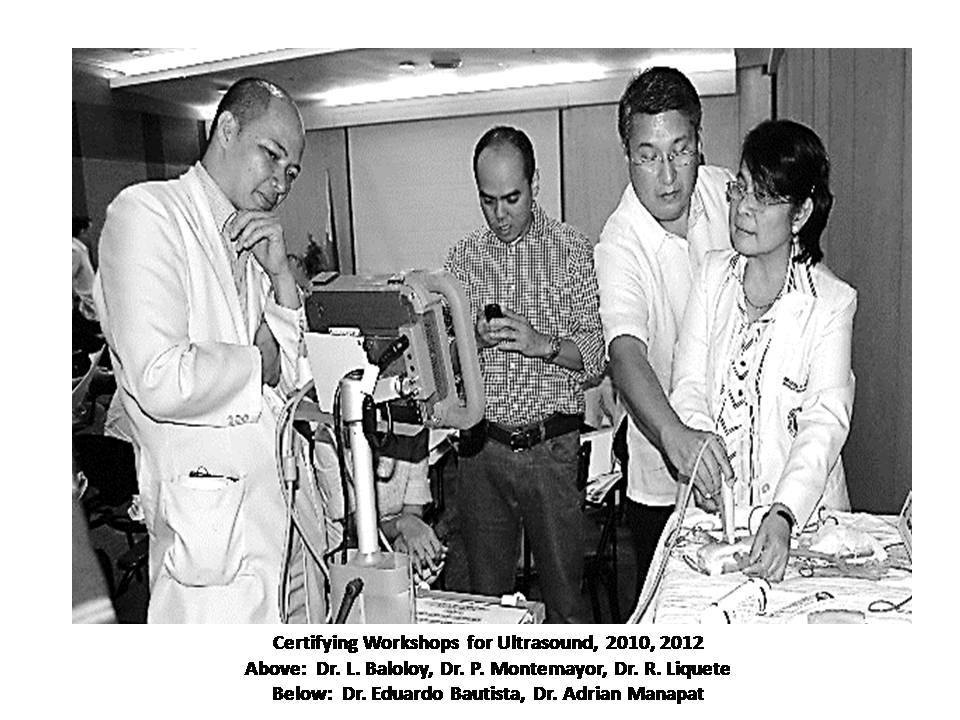
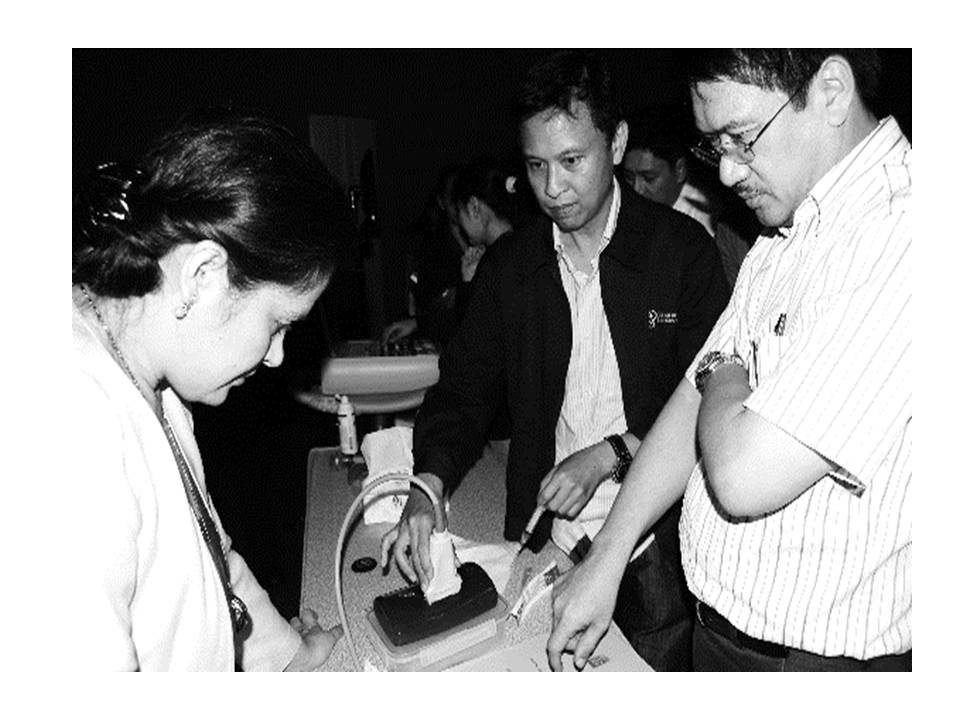
PSVS also organized several certifying workshops for ultrasound – guided central venous access insertions. The aim of the workshop was to promote the importance of patient safety thru use of ultrasound in the cannulation of the venous system as one creates vascular access for patients. The first workshop was held at the National Kidney and Transplant Institute in October 2010. During the same year, PSVS issued policy statements in recommending mandatory ultrasound – guided vascular access cannulation. It was followed by another workshop at The Medical City in 2011, at the Victor R. Pontenciano Medical Center in 2012, and at the Batangas Regional Hospital in 2013.
The PSVS approved the first 5 – year Straight Vascular Surgery Training Program in 2010. The first in the Philippines and South East Asia, the program aimed to produce the complete vascular specialist, able to perform his own vascular diagnostics, invasive and noninvasive; able to do surgical operations on the vascular tree; able to do endovascular procedures; and, able to prescribe the appropriate pharmaceutical medications.
The year 2011 saw the launch of an online database vascular registry for all vascular procedures done in different institution in the country. It is envisioned to be able to provide valuable information that can be used for future researches in vascular surgery.
In the fourth quarter of 2014, Dr. Ricardo Jose T. Quintos II assumed office and became the 4th President of the society.Under his guidance, the PSVS produced a document on recommendations for clinical practice guidelines on chronic leg ulcers, and another on the recommendations for relative value units for vascular procedures, thus further confirming the role of thePSVS as it continues to shape the practice of vascular surgery in the Philippines and faces the new challenges of globalization, managed care, patient safety and quality outcomes.
